LASER PROCESS

What is Laser Cutting?

Laser cutting is simply a way of cutting metal (and some other materials) with extreme precision using a focused beam of light. Modern fiber laser cutting machines create a very fine beam - usually between 0.1 and 0.3 mm wide - and can deliver anywhere from 1 KW to over 6 kW of power. This lets them cut cleanly through steel, stainless steel, aluminium, brass, copper, titanium and more.The focused beam melts or vaporizes the material along a programmed path while assist gas blows the molten metal away. The result is a narrow, clean kerf with minimum HAZ . Because there is no physical tool touching the material, you get consistent quality, no tool wear, excellent edge quality, full CNC control and the freedom to cut both simple shapes and very intricate designs. which is why fiber laser cutting has become the go-to method for industrial fabrication, jewellery, medical parts and electronics.

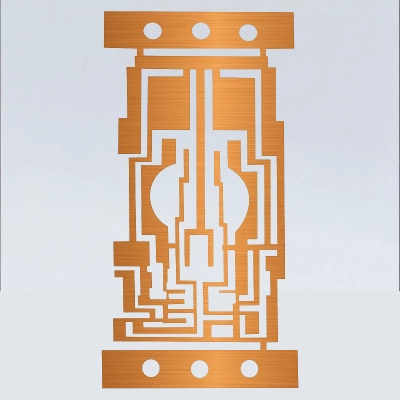
Copper lead frame laser cut by Markolaser with a  fibre laser

How Laser Cutting Works

1. Beam generation

1064 nm infrared in fiber

2. Beam delivery and focusing

0.05–0.2 mm focused spot

3. Material interaction

Melts or vaporizes metal

4. Assist gas injection

Ejects melt, protects lens

5. Path control

CNC or galvo motion

6. Cut completion

Narrow kerf, minimal burr

Laser beam stages
Process and result
Markolaser URSA fiber laser cutting machine

URSA

URSA is a standalone fiber laser cutting machine from Markolaser, built to cut metals and some non metals quickly and accurately across mixed materials and thicknesses. Intelligent process control delivers consistent cut quality with minimal operator intervention, keeping your cost per part low.

Choose from 200–1.5 kW Laser source options to match the power to your materials. Optimised cutting parameters give strong results from each power level, so you use less energy across steel, stainless steel, aluminium, brass and copper.

URSA is open to downstream processes and integrates easily with the existing machines on your factory floor.

Types of Laser Cutting

Laser cutters are classified by the laser source (which decides what materials they cut well) and by the beam delivery (which decides thickness and detail).


By laser source

Laser type Wavelength Applications Not ideal for
Fiber laser ~1,064 nm Marking, Annealing, Cutting, Welding, Ablation, Special applications on all metals including reflective brass, copper, gold, silver, aluminum, stainless, titanium, Limited plastics Clear acrylic, wood, most organics, nylons, polyamide, POM (Delrin)
CO2 laser 10.6 um Marking, cutting, welding (plastic to plastic) on Wood, acrylic, paper, leather, fabric, rubber, foam Bare reflective metals
Green laser 532 nm Copper, gold, very fine features with low heat input, glass both surface & in vitro High-volume thick cutting
UV laser 355 nm Marking on glass, polypropylene, polyamides, POM, transparent plastics Polymers, films, flex PCBs, glass, cold cutting of sensitive parts Thick metal
Femtosecond/PICOsecond (ultrafast) Various Medical stents, micro-holes, near-zero heat-affected zones, 3D Engraving Cost-sensitive general cutting

Materials Suitable for Laser CuttingFiber laser cutting works exceptionally well on a wide range of metals and some non-metals. Below is a practical guide to the most common materials and recommended thickness ranges.

Materials Suitable for Laser Cutting

Fiber laser cutting works exceptionally well on a wide range of metals and some non-metals. Below is a practical guide to the most common materials and recommended thickness ranges.


Materials & Thickness Guidelines

Material Recommended
Thickness Range
Typical
Assist Gas
Notes / Best Results
Mild Steel / Carbon Steel 0.5 – 25 mm Oxygen Fastest cutting speeds; excellent for structural parts
Stainless Steel 0.5 – 20 mm Nitrogen Clean, oxide-free edges; ideal for food-grade & decorative parts
Aluminium 0.5 – 15 mm Nitrogen Reflective material – modern fiber lasers handle it well
Brass 0.5 – 10 mm Nitrogen Good results on thinner sheets; popular for decorative work
Copper 0.5 – 8 mm Nitrogen Highly reflective – requires higher power and optimized parameters
Titanium 0.5 – 12 mm Nitrogen or Argon Excellent for aerospace and medical applications
Gold / Silver (Jewellery) 0.2 – 3 mm Nitrogen or Air Perfect for fine filigree, pendants, and intricate designs
Galvanized Steel 0.5 – 12 mm Oxygen or Nitrogen Good cutting quality with proper parameter control
Thin Plastics / Acrylic 0.5 – 10 mm Air Clean edges possible on certain plastics (test recommended)
Other Alloys (Inconel, Tool Steel, etc.) 0.5 – 15 mm Nitrogen Excellent precision on high-value engineering alloys

Applications of Fiber Laser Cutting

Markolaser URSA fiber laser systems deliver high-precision cutting across a wide range of industries.

Industrial Applications

  • Automotive components and brackets
  • Electronics parts and enclosures
  • Medical stents and precision surgical components
  • Thin sheet metal fabrication and prototype parts

Jewellery & Filigree

  • Intricate gold and silver filigree pendants
  • Brass and precious metal jewellery designs
  • Fine decorative cuts and openwork patterns

Watch Parts & Decorative Metalwork

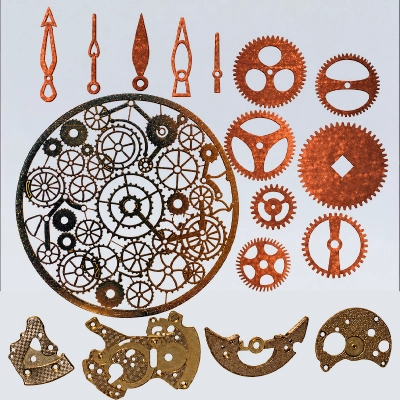
  • Precision watch gears, hands, and dials
  • Nameplates and identification tags
  • Decorative metal art, wall panels, and custom signage

Laser Cutting vs Traditional Methods

Feature Fiber Laser Cutting Plasma Cutting Waterjet Cutting Mechanical (Punching / Shearing)
Precision Excellent (±0.05 mm) Moderate Very Good Good
Kerf Width Very narrow (0.1–0.3 mm) Wide Medium Depends on tool
Heat-Affected Zone Very low High None None
Edge Quality Clean, smooth Rough, often needs finishing Excellent Good to average
Material Thickness Best up to 25 mm Excellent for thick plate Excellent for thick plate Limited by machine capacity
Complex Shapes Excellent Limited Excellent Limited
Speed (thin sheet) Very Fast Fast Slow Fast
Running Cost Low to Medium Medium High (abrasive + water) Low
Tool Wear None Consumable electrodes Nozzle & abrasive wear High tool wear
Best For Precision metal parts, jewellery, fine details Thick mild steel Thick or heat-sensitive materials High-volume simple shapes

Frequently Asked Questions

1 How does laser cutting compare to traditional cutting techniques?

Ans: Laser cutting offers superior speed, precision, and flexibility compared to traditional methods like punch pressing, EDM, or plasma cutting. It allows for smaller kerf widths, cleaner edges, and the ability to cut intricate designs without physical contact. Markolaser’s fiber and CO₂ laser marking machines minimize fixturing needs, support automation, and are ideal for high-volume production across metal and non-metal materials, making them more cost-effective for complex jobs.

2 where is fibre laser cutting used in industry ?

Ans: Fiber laser cutting is a staple technology across heavy manufacturing, precision engineering, and commercial production due to its speed, accuracy, and ability to cut highly reflective metals.

3 What are the advantages of cutting by Lasers?

Ans:

  • Clean, burr-free or low-burr edges (especially with nitrogen).
  • Excellent repeatability for high-volume production.
  • Ability to cut reflective metals (aluminium, copper, brass) with modern fiber lasers.
  • Reduced secondary operations (less need for grinding or deburring).
  • Lower long-term operating costs due to high efficiency and low maintenance.
  • These advantages make fiber laser cutting the preferred process for precision metal fabrication, jewellery, electronics, automotive components, and medical parts.

4 What is the price of a fiber laser cutting machine in India?

Ans: For a standard URSA Laser cutting machine, the price ranges between 1.8-2 million INR depending on many factors.

5 What thickness can URSA cut?

Ans: Refer to our Material and thickness guide.

6 Which laser power do I need for laser cutting ?

Ans: Deciding the laser power depends on Material type, material thickness, cutting speed, edge quality requirements, assisted gas used and Machine & Optics Efficiency.

7 Can URSA integrate with my existing machines?

Ans: Yes definitely

Last updated : Oct, 2026